

 ANALYSIS
 Follow Us
If there was ever a game that had ‘pendulum’ etched on the face of it, it would be the clash between Sri Lanka and South Africa in Sharjah. There wasn’t a real favourite heading into the contest, even though South Africa walked into this encounter on the back of a win against defending champions West Indies.
Cricyltics suggested that the Proteas had 54% chances of winning the contest but at Sharjah, a ground that Sri Lanka were unbeaten in, it wasn’t quite straightforward. With Anrich Nortje firing all guns, Kusal Perera could only see his middle-stump flattened to the ground. At that point in the encounter, Criclytics backed the Proteas to walk away with 61%. But Sri Lanka, time and again in this tournament, have shown how things could change in just a few overs.
Charith Asalanka walked into the line of fire and came out unscathed, blazing his way to 21 off 13 balls before being found short of his crease by a brilliant throw from Kagiso Rabada in the deep. Tabraiz Shamsi then found remarkable spin and the right line of operation in Sharjah, which then reduced the in-form Sri Lankan middle-order to tatters.
Yet, Pathum Nissanka’s valiant knock, Chameera’s powerplay brilliance and then Wanindu Hasaranga brought Sri Lanka back in the contest. With Cricyltics predicting a Sri Lanka win (83%) in the 18th over, what happened there in Sharjah?
Avishka Fernando’s form is worrying
In a middle-order that is filled with some swashbuckling stars, the biggest question that emerged out from the afternoon clash was Avishka Fernando’s form. With Dhananjaya de Silva in the setup, who can bat and bowl and is well experienced, the Sri Lankan management continued to instill their trust in the explosive batter Fernando.
While his knock might have escaped the wrath had Sri Lanka won the affair, his form really now outlines the problem of the Island nation in the middle-order. His last five T20I innings read 3, 4, 0, 2 and 0, nine runs in five innings, with no real option of having an extra bowler. To top it off, he tamely hit one straight to Tabraiz Shamsi.
For a batter who has played in the top-order for the longest time, 27 innings without a half-century is huge and in a fiery middle-order like Sri Lanka’s, his form surely has come at a cost for them. Would he get the axe?
Contrasing forms for Shamsi and Rabada
A year or two ago, Tabraiz Shamsi and Kagiso Rabada would have been on the same page – South Africa’s best bowlers. But over the past year and half, Rabada’s terrible form has certainly cost the Proteas more than it has helped them. Today’s game was a perfect example of how the two bowlers have had contrasting impacts.
Being handed the ball post the powerplay, Shamsi’s spell arguably turned the game in South Africa’s favour, with three wickets for just 17 runs, in a spell that choked Sri Lanka from any kind of momentum. To add to the misery, the left-arm unorthodox spinner came away with 13 dot balls, something that really turned the game around for Proteas. 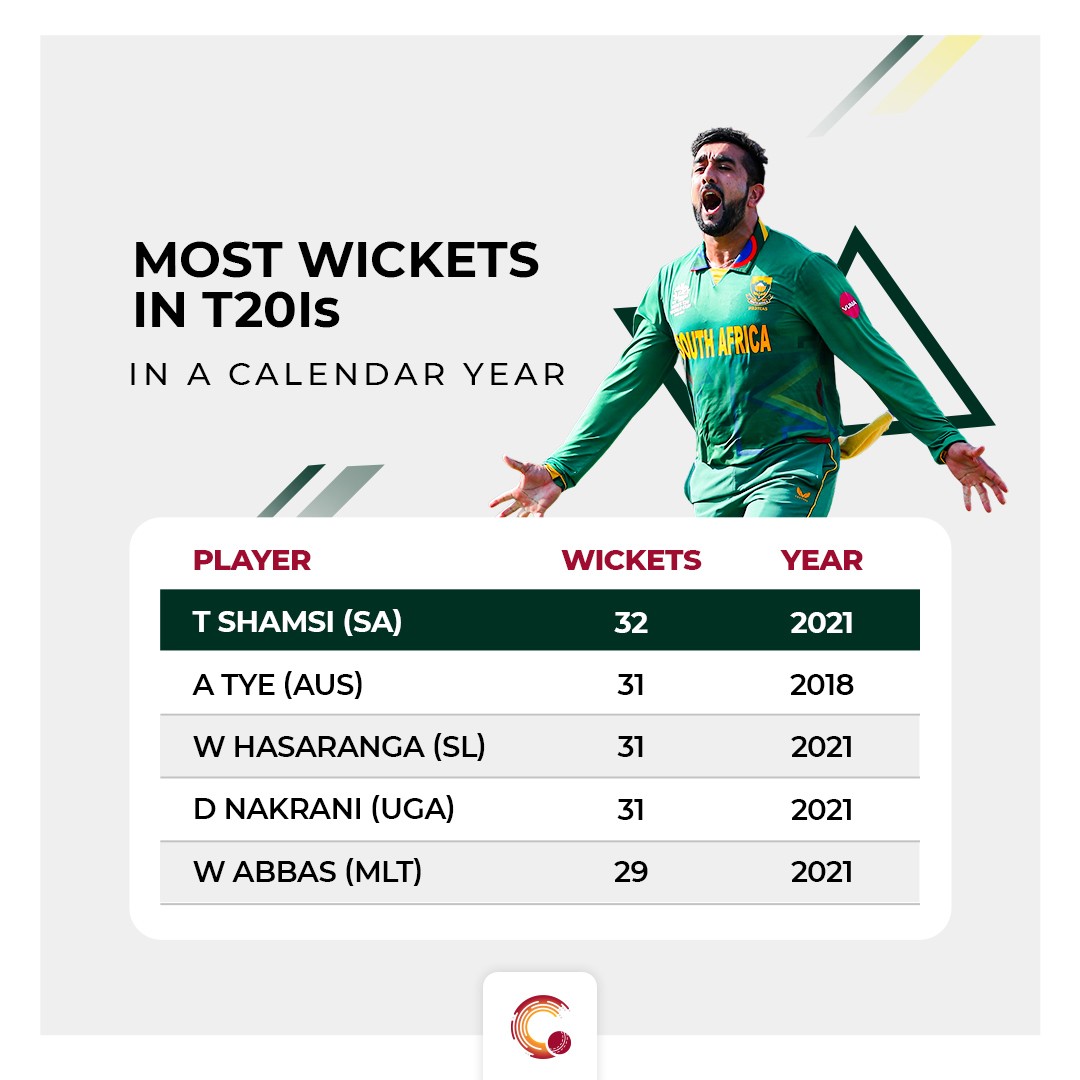
Rabada, though, continued to have a dismal show. Just three overs, one of South Africa’s key pacer gave away 32 runs, including 17 runs in the 18th over, where he was nowhere near his best. Now that doesn’t quite call for a chop yet but his form is certainly something that is a troubling factor for Bavuma’s side.
Wanindu Hasaranga continues to be a mystery
Now it is weird, with bowlers like Wanindu Hasaranga and Rashid Khan, they aren’t quite the mystery bowlers but the mystery is in their subtle variations and change of speed. Both of them have excelled at it, with the batters struggling to spot deliveries from the back of their hand. It continued here in Sharjah, when Hasaranga ran through the South African middle-order, including the prized scalp of Aiden Markram, whose wicket was vital at that point for the Island nation.
3 wickets for just 20 runs, Hasaranga was a consistent threat, bowling 10 dot balls and nearly bringing the game back in Sri Lanka’s favour. It wasn’t just three wickets, it was a rare T20 World Cup hattrick, the third since the inception of the tournament.
The only real question remains, was he brought one over too late in the game by Dasun Shanaka? Now hindsight is great but that’s a question that would definitely haunt Shanaka later in the tournament.
South Africa’s muddled batting order
While Pathum Nissanka was a one-man army in the first innings, scoring 72 off 58 deliveries, including six boundaries and three sixes, the second innings was a complete opposite. South Africa’s top-order struggled, with scores of 12, 11 and 16. Even though skipper Bavuma scored 46, his knock was substantially slow and nearly cost the side the game, with just one boundary and one six.
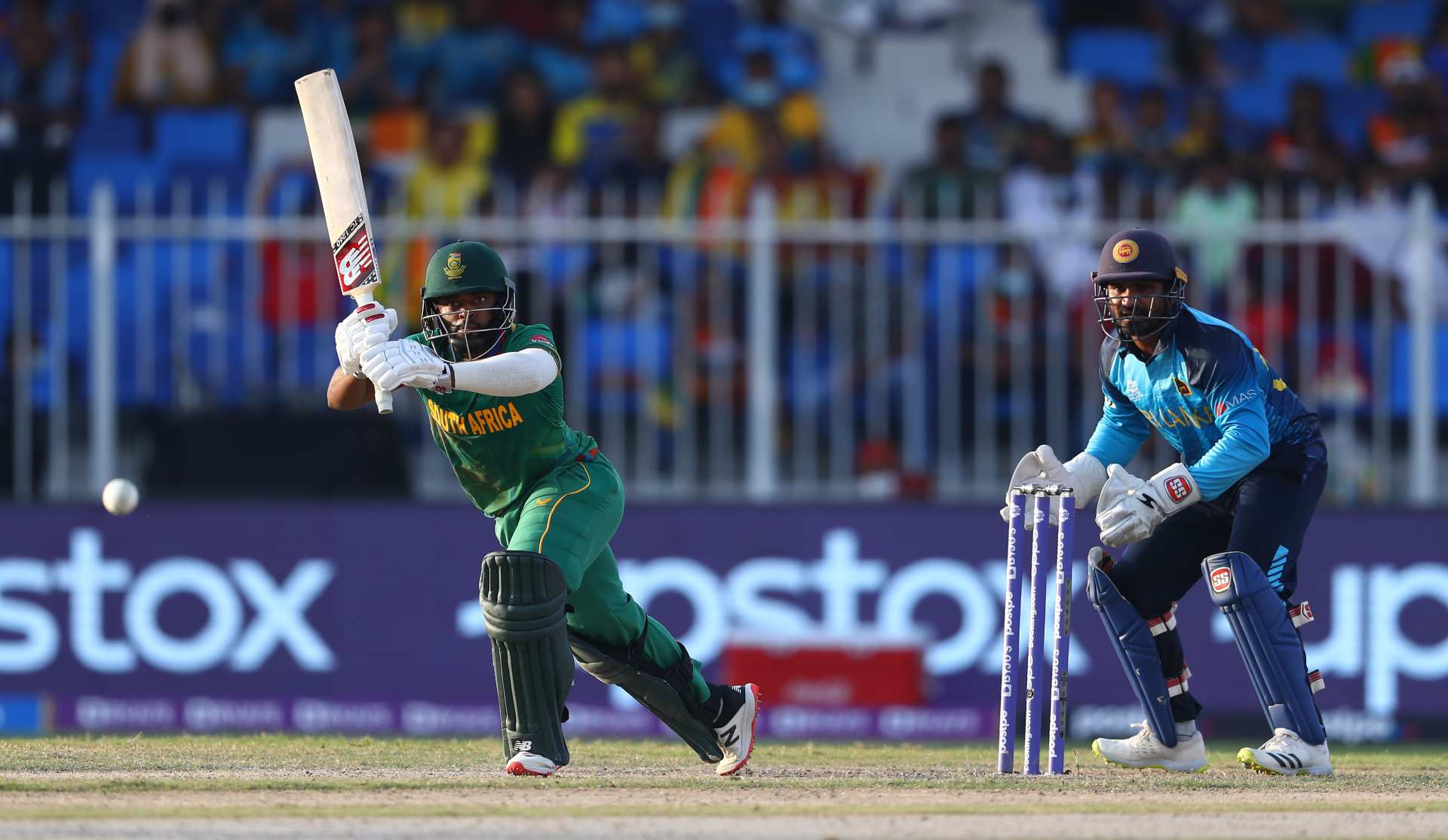
With Quinton de Kock returning, the biggest question for South Africa was how would they lineup against Sri Lanka with the bat. Now that is answered, with de Kock opening the innings with Reeza Hendricks. That is where it gets interesting. Will the Proteas want to keep batting Bavuma in the middle-order, where he has previously struggled in the shortest format at the cost of Aiden Markram, one of their best batters in the format batting at No.5?
It definitely lengthens their batting unit but with Dwaine Pretorius at No.7, it limits the options that they have when the equation screams 32 off 12 balls, or say when the asking rate is on the wrong side of 15s and 20s in the last phase of the game.