
News
Decoded: South Africa's three-decade long tussle with racism
 NEWS
NEWS Follow Us
Racism within cricket had ruined careers, caused great pain to the players of color who loved the game as much as anyone else
Lord Learie Constantine or Baron Constantine as he is popularly known, was one of the cricket's first superstar of color. The Trindadian, for over three decades since the 1900s, drew capacity crowds to the stadiums in England with his mere presence. People and pundits would marvel at his dizzying spells of pace bowling, cheered at the ferocity of his batting and roared at his mercurial feats while fielding. He was a Member of Parliament in his country, served as the High Commissioner for Trinidad and Tobago in London and was the recipient of many other prestigious honours.
Despite the stardom and accolades he received for his work on the field Lord Constantine's always had to fight the discrimination because of his skin color. As famous historian ELR James wrote, Constantine "revolted against the revolting contrast between his first-class status as a cricketer and his third-class status as a man."
While there have been multiple efforts in the wider society and within cricket itself to weed it out, racism has more often reared its ugly head. Azeem Rafique's predicament while playing for Yorkshire is one of the many examples where racial discrimination had robbed people of their basic dignity as a human being while playing the sport they love. No other country had been affected by issues of race like South Africa.
Ever since being reinstated as a Test nation in 1991 after abolition of apartheid, issues racial bias have continued to pop up now and again in their cricket culture. Makhaya Ntini, Khaya Zondo, Paul Adams, Thami Tsolekile and many more were victims of institutionalized racism which Cricket South Africa's Social Justice and Nation Building (SJN) project had brought forth.
A project started by CSA in July 2021, SJN set out to find out the wrongdoings of the past 30 years in four months, which lasted for six months. During its hearings later in the year, current men's national team head coach Mark Boucher, CSA's director of cricket and former captain Graeme Smith and former batter AB de Villiers were all accused of racial prejudice and facilitating discriminatory behaviour within the dressing room.
Toxic team culture and lack of understanding
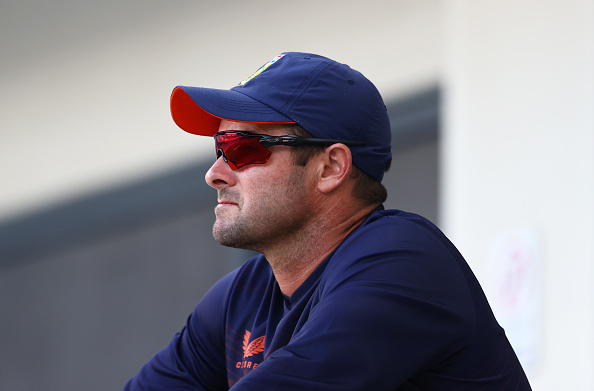
In August 2021, Boucher issued a formal apology in his affidavit submitted to the SJN for "the part I played in joining in with my team-mates in singing offensive songs or using offensive nicknames." This was in response to the allegations made by former spinner Paul Adams. Adams, who was the only player of color during his debut in 1995, testified that he was nicknamed 'brown sh*it' by his teammates who would often sing derogatory songs about him.
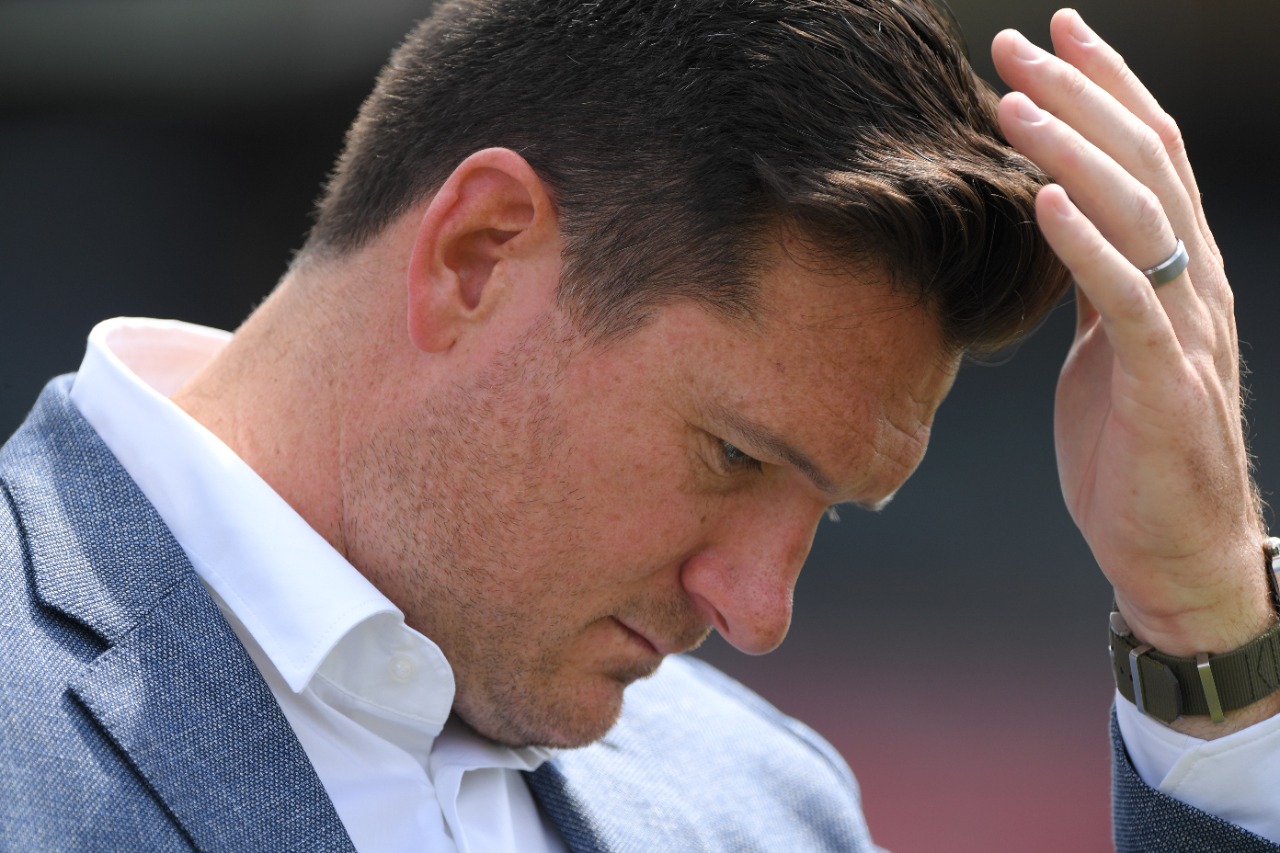
The accusations against Smith were concerned with non-selection of keeper-batter Thami Tsolekile for the national team soon after Boucher's abrupt retirement in 2012 due to an eye injury. Tsolekile, who was in line to take over from Boucher, was left on the wayside as De Villiers took over the keeping duties until Quinton de Kock's debut in 2014. Smith, who was the captain at the time, was accused of blocking Tsolekile's inclusion on basis of race. Former pacer Lonwabo Tsotsobe alleged that Smith had threatened to retire if Tsolekile was picked in the team.
Smith refuted the allegations saying he had always enjoyed good relationship with Tsolekile and decided to go with De Villiers on basis of his batting and keeping abilities. However, the former captain later admitted that players in the dressing room started paying attention to the matters of diversity only after 2010.
"The decision of the panel was totally irrational and showed clear signs of systemic racism. CSA, Mr Graeme Smith and some selectors at the time really failed Mr Tsolekile and many black players of this time in many ways," SJN report in December, 2021 said about the whole episode.
Zondo's accusations and some more

De Villiers was another high-profile players to be accused of prejudiced non-selection of batter Khaya Zondo. During the 2015 ODI series against India, South Africa flew in Dean Elgar to replace Zondo for the series-deciding fifth match in Mumbai. Zondo revealed that De Villiers called him to the side and flat out told him he will not be part of the playing XI.
"I remember in the moment of him explaining himself to me, losing all respect for him as a captain, and as someone I looked up to as a cricketing hero of mine because I could not believe this guy was trying to justify himself to me, and it came across as if I should accept this decision because the decision came from him," Zondo said in his submission to SJN's Transformation Ombudsman, Adv. Dumisa Ntsebeza.
De Villiers responded by saying: "I have wholly supported the aims of Cricket South Africa’s Social Justice and Nation Building process, to ensure equal opportunities in our game. However, throughout my career, I expressed honest cricketing opinions only ever based on what I believed was best for the team, never based on anyone’s race. That’s the fact."
Most recently, keeper-batter Quinton de Kock was dropped from the team for the 2021 T20 World Cup Super 12s match against Sri Lanka after he refused to take a knee in support of the Black Lives Matter initiative. He was allowed back into the team only after he agreed to take a knee before the beginning of every match.
There are always impactful solutions, feels former batter JP Duminy.
"There's always gonna be the sensitivity around the things that are being said and truths around them. There is the process to be followed for these things, but can we find space for truthful and honest conversations with the people who are aggrieved and those who have been accused? Can we have a facilitation process when someone can sit in a room and unpack the entire thing on why someone is aggrieved and if there is a sense of sincere apology? Something like that can really have an impact."
There is clearly a lot of work to be done by the CSA after hearing the pain and anguish of three decades in its recent cricketing history.