
News
IPL fiasco has cost BCCI not just loss of money, but also loss of face
 OPINION
 Follow Us
More unverified information suggests that food from outside was being brought into the bubble
The extent of financial setback is still being computed. As a ballpark figure, it could be in the region of Rs 2000-2300 crore considering that the usual earnings from a season are approximately Rs 4500 crore. This could be higher considering hotel, catering, and travel money paid in advance, of which all may not be refundable. Add to this the full fees paid in advance to agencies in charge of the biosecure bubble (there were two according to reports), plus that for health security (ambulances etc. at grounds) and so on.
How much of this will really impact the bottom line of the BCCI is obviously unclear at this stage, but some in the know aver that it could actually be far lesser than is being projected or anticipated.
Since the onset of the pandemic last year, all major sports events have been insured with the Force Majure clause operative, so this could bring down the losses not just for the BCCI, but also for franchises and broadcaster. However, Force Majure is unlikely to come to the help of players, umpires, commentators and other service providers and vendors in the IPL ecosystem. As of now, it is not known how much salary players will receive, but most likely it could be on a pro-rata basis i.e. for half the season that was completed.
If so, this will obviously hurt all players, but more so those bought at low prices, say below Rs 40 lakh. Among these, it will be even harsher for those from India as the regular domestic season had also been badly disrupted, affecting their earnings. There has been a plea by India’s first-class players that they should be paid for the season even if most tournaments did not take place, which the BCCI is considering.
The financial loss, severe as it may be, is only one part of the problem. The other, no less important, is that the image of the BCCI has been badly sullied: by lack of understanding of the Covid crisis in hosting the IPL at home, compounded by poor management control while the tournament was being played.
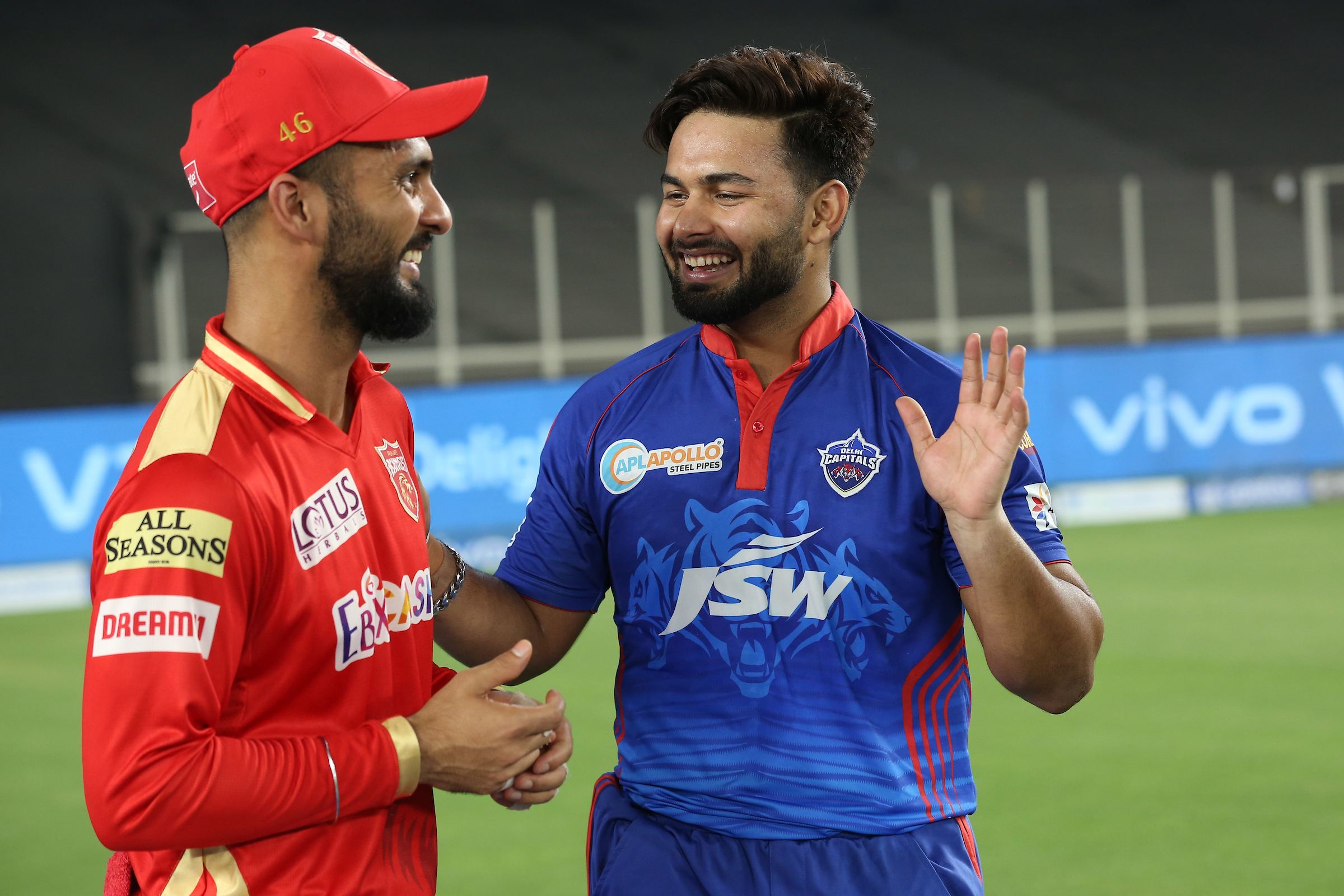
After suspending the tournament, office bearers of the BCCI, including president Sourav Ganguly and treasurer Arun Dhumal have said that had they (BCCI) known about the intensity of the second wave that was to hit India in April, they would have had the IPL in UAE, as was done the previous season.
Fact is that not opting for UAE – and this after being strongly suggested by some within the BCCI top brass – was a major boo boo. To say that the Covid tsunami was unexpected suggests extreme naivete of the situation or a flaky cover-up. Almost every virologist and expert on epidemics had raised the red flag about the impending crisis. Truth is, like the central government – or perhaps toeing the line – the BCCI also underestimated or ignored the looming threat.
Then there were the serious omission and commission when the tournament was being played. As more information emerges, it is now becoming clear that the bio-secure bubble was breached at not only one venue, or just once, but in both Delhi and Ahmedabad (where matches were being played in the phase just before suspension) and in multiple instances.
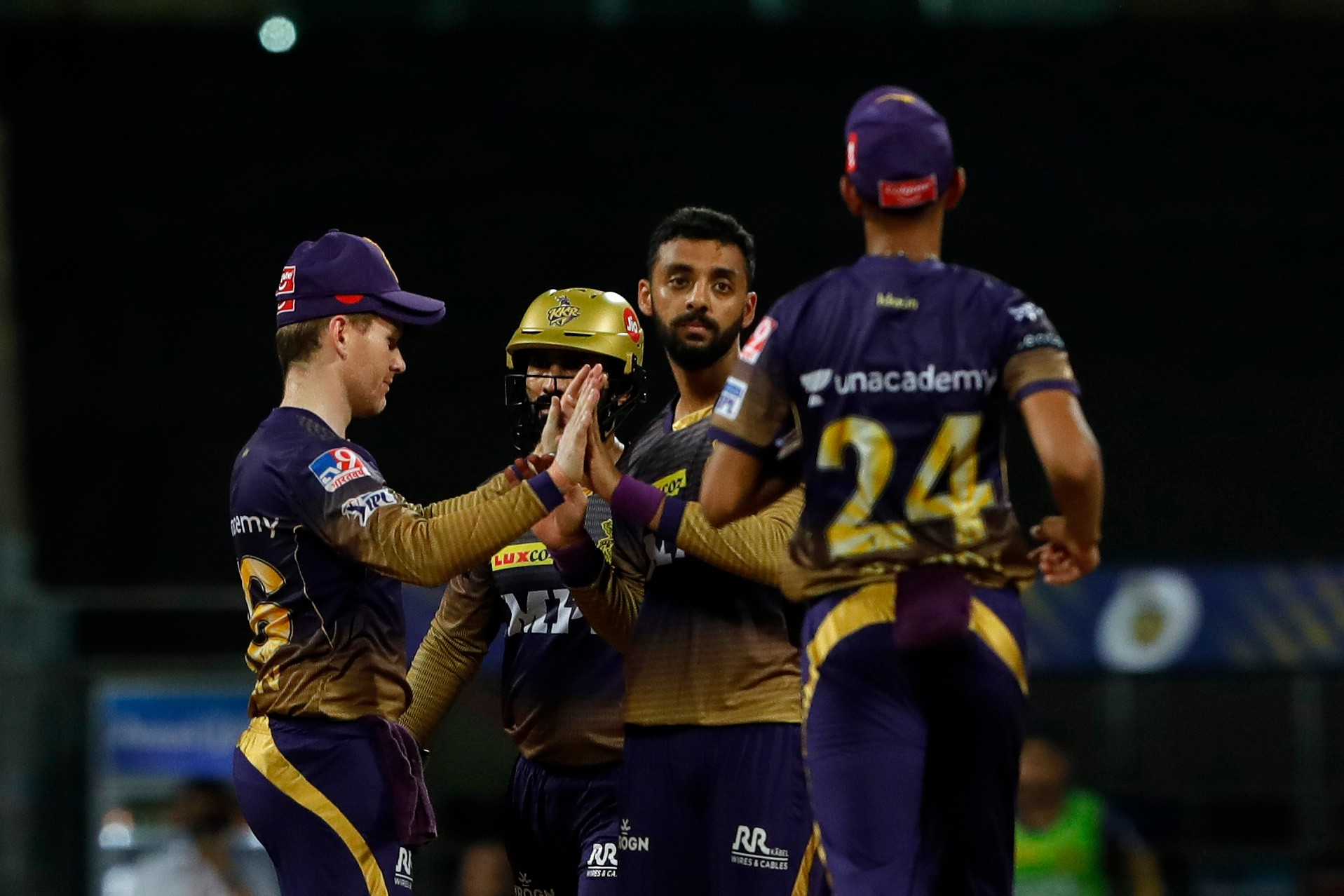
Initially, it was thought the Covid infection may have been brought into the `bubble’ by Kolkata Knight Riders spinner Varun Chakravarthy who had gone to the hospital for a stomach ailment check-up. This was done within the `green channel’ protocol established for emergency cases, but the suspicion seemed logical for hospitals to have been hotspots in the pandemic.
Chakravarthy and Sandeep Warrier, another KKR player, were the first to test positive. They were quickly isolated, but by Monday afternoon, three from the CSK squad, including bowling coach Laxmipathy Balaji, were also found Covid infected. The BCCI moved into damage control, announcing the itinerary would be rejigged following the cancellation of matches involving KKR and CSK. But Tuesday morning, a player each from Sunrisers and Delhi Capitals too tested positive. Tension and anger were building up among players, franchise owners, commentators as things started to spin out of control.
There was no choice for the BCCI but to suspend the IPL, but the impression going out, through overseas players, umpires, commentators – not to mention the international media – is of the utter haplessness to manage a crisis, by the government and the BCCI. To support playing the IPL at home, Ganguly cited the example of Premier League football being staged in England while the pandemic was raging in England, and of some players testing positive in that tournament too. Point taken. But breach in the bubble in the Premier League was not as scattered because the security protocols weren’t being flouted as easily.
It’s come to light that teams based in Delhi practiced at a private club where club staff mingled with players and took selfies etc. This shows the high risk that the tournament was being put at. More diabolically, two impostors were found at the Arun Jaitley Stadium, working for bookies, who had acquired fake accreditations!
More unverified information suggests that food from outside was being brought into the bubble, which was also a high risk, and was in fact one of the reasons that led to several members of a team in the Pakistan Super League contract the disease, leading to suspension of the PSL.
What happens from here?
The BCCI has announced that if all goes well, a window for the completion of the tournament would be found at a future date this year. However, this may not be easy in a packed calendar, especially for Indian players. The inaugural World Test Championship final – in which India participates – is scheduled in England in the third week of June, after which the Indian team stays back for a 5-Test series, the last match finishing on September 6.
The T20 World Cup, to be played in India, starts from the third week of October with the final scheduled on November 15. In between is a short tour by South Africa which could be scrapped to finish the IPL. But whether this will be agreeable to other countries who may want their players in preparatory camps for the T20WC is moot.
Post the T20 World Cup, players might be jaded and fatigued to resume the IPL, and that too would mean cancelling the already scheduled international commitment of hosting New Zealand and South Africa in succession for Tests and limited-overs series.
Moreover, fitting in the IPL before or after the T20WC would play havoc with the other domestic tournaments, which had been messed up in the 2020-21 season too because of the pandemic.
The demand for completing the IPL, among the most popular, high-profile, and richest sports properties in the world, will obviously be high. With so much to gain for all stakeholders, doubtless, every effort will be made to find a 12-15 day window to make this possible. But it will be an excruciating tightrope walk.