
News
Time for BCCI to overhaul the women's domestic structure
 FEATURE
 Follow Us
Two dominant performances by the Indian team in the longest format of the game augurs well for a robust domestic structure. However, will the BCCI give the women's team its due share?
30th September 2021 marked a glorious day in the history of Indian cricket as the women's team set foot at the Carrara Oval for their maiden appearance in the pink-ball Test against Australia.
Even before India embarked on their trip to the southern hemisphere, the pink-ball Test was undoubtedly the most-awaited contest in their multi-format tournament.
Over two decades at the international level, as Mithali Raj geared up for the all-important toss, the skipper herself, along with the ardent fans of Indian cricket, waited with bated breath as India entered a land of the unknown territory courtesy of only a handful of practice sessions with the pink ball.
"To be very honest. I don't have the experience of playing with the pink ball. It is going to be my first experience as well. I am quite curious to see around that period (twilight) when they say that it's going to be a little difficult. I can only say when I experience it," said Raj ahead of the historic game.
However, across four days of the Test match, the world witnessed an immaculate exhibition of high-quality cricket between two of the most dominant sides in the world.
The start of something special
In a heart-warming gesture on the occasion of International Women's day, the BCCI announced the one-off Test against England in June. However, one of the most baffling aspects about donning the whites again was the lack of preparation for the side.
After their heroics in the 2017 World Cup, the Indian side has been a force to reckon with in the white-ball format. However, in the one-off Test against England, the preparation was far from ideal as they entered the Test with only a couple of practice sessions under their belt.
"We have tried to create match scenarios in the time we had. We did not get any practice games, but it is very important for us to adapt to the situation as a player," said Harmanpreet Kaur in a press conference a couple of days before the historic Test.
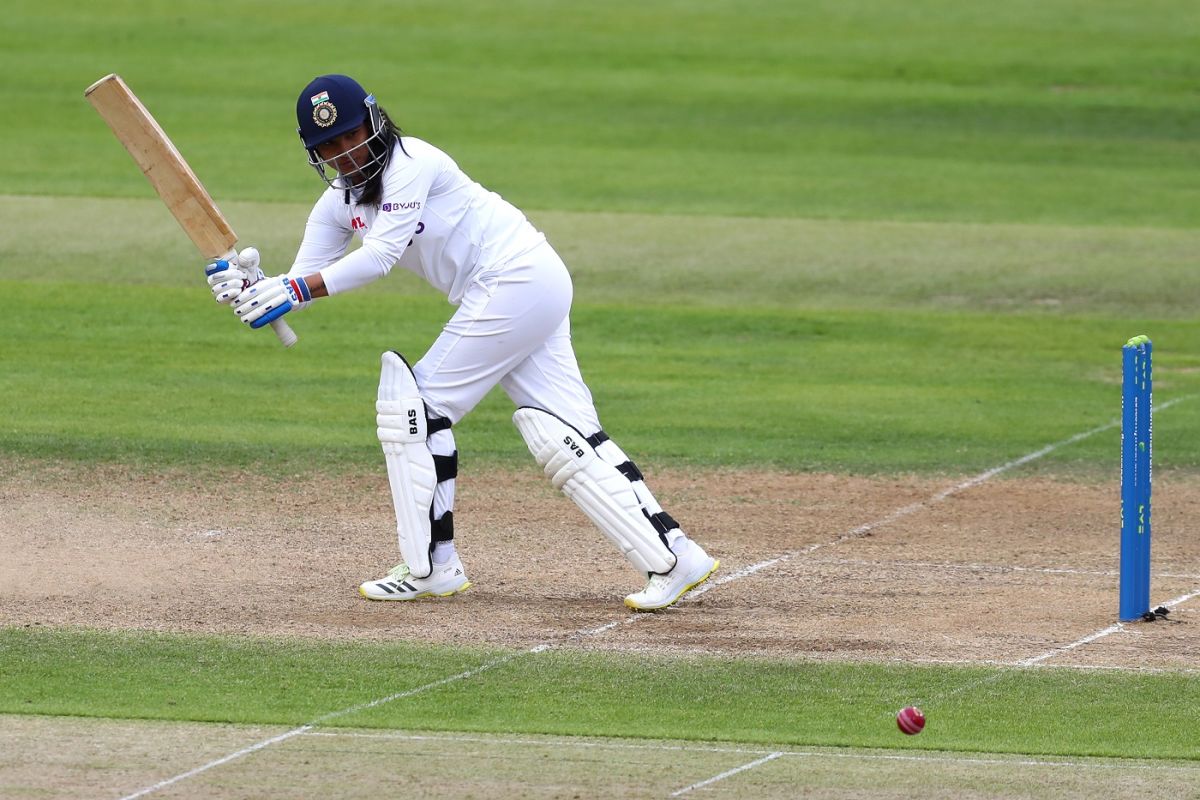
After a seven-year hiatus from the format, Sneh Rana scripted an incredible fightback to help India hold onto a hard-fought draw in the final hour of the day after being forced to follow on.
Despite the challenges, they showed immense grit and determination across four days to prove their mettle and showcase yet another aspect of the sport that needs support from the Board.
Three months later, a stern test awaited the Indian side, albeit in a slightly different format as they locked horns with the formidable Aussies in a Day and Night Test match. The visiting side stepped onto the field as the underdogs; however, after four riveting days of cricket, India emerged as the dominant force in this iconic match.
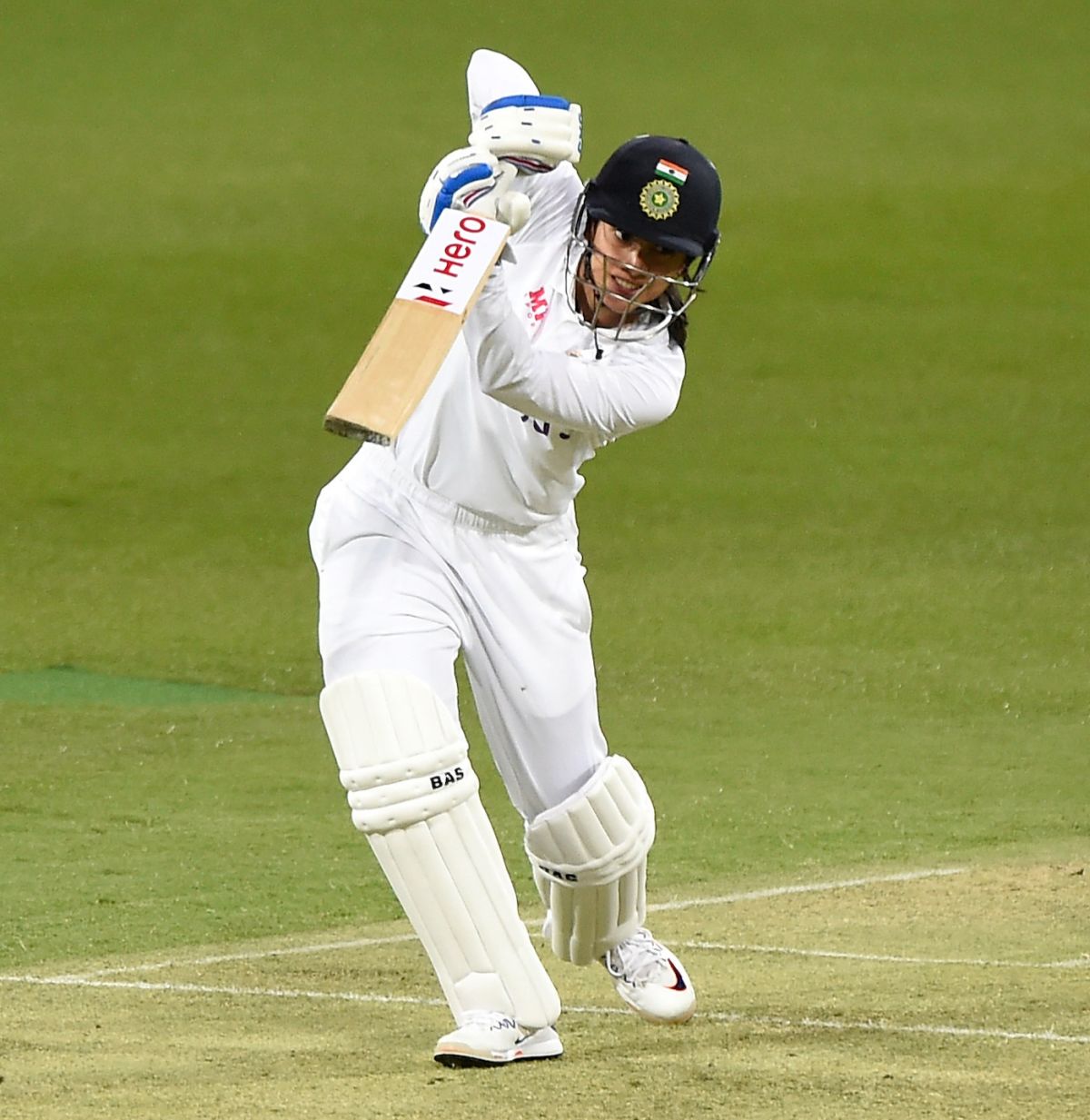
After being asked to bat first, Smriti Mandhana produced a masterclass to score a scintillating hundred to set the game up for the visiting side. With the hard new ball, the Indian pace attack led by Jhulan Goswami showcased shades of brilliance as they outplayed the Southern stars in the first innings.
However, with the weather conditions and relentless showers playing a significant role in the loss of overs, the visiting side failed to force a result, much to the disappointment of all the fans.
Is it time for BCCI to overhaul the domestic structure?
One of the glaring issues that has plagued women's sports is the lack of matches at the domestic level. Currently, the domestic players compete in five league matches of the 50-over format and as many T20 matches in the year. If their team qualifies for the knockouts, it adds up to another couple of games.
However, if India aim to compete with the powerhouses of world cricket, they need to make some radical changes in their domestic structure. With only a handful of games, it is extremely difficult for the team management to unearth young players for the nuances of international cricket.
While the Ranji Trophy provides an ideal platform for the fringe players of the men's team to stake a claim for themselves in the national side and gear up for the nuances of the longest format of the game, the women's team is left high and dry with the absence of the multi-day tournament.
The last time BCCI organised a multi-day tournament was an inter-zonal tournament in 2018 featuring the top 15 players from each zone for three-day matches at Kerala. While the multi-day inter-zonal competition was a part of the detailed domestic calendar every year, it was surprisingly not included in the following season.
Away from the glaring eyes of the media, the top players in the country spent gruelling hours honing their skills and churning out impressive performances to get a step closer to the national colours.
While the longest form of the game was missing in action for seven years at the international level, the inter-zonal tournament provided the players with an opportunity to test their skills in the most challenging format and absorb the pressures presented in a multi-day format.
A step in the right direction

With the success of the Indian side in the longest form of the game, the BCCI should dwell on the possibility of starting the domestic multi-day tournament again. One of the primary reasons for the success of the Indian team at the international level was the art of grinding out in the difficult passages of play during the multi-day format.
Even if Test cricket is not a regular feature going forward, the domestic structure needs to have a red-ball tournament to improve the overall skill and mental aspect of the game.
On wickets conducive for spinners after the usual wear and tear in the day's game, the skill set of the batters are tested to the absolute hilt. On the other hand, the bowling unit also gets an opportunity to be patient with their line and length to create inroads in the opposition batting.
Consistently bowling in the right areas and grinding away a difficult passage of play will help the side improve their overall techniques and enable them to be more competent in the white-ball format.
While most of the attention has been on the white-ball format with the World Cup in March 2022, the Board can also look at the multi-day format from the following season to give the women's side its due share of preparations for the challenges at the international level.