

 OPINION
 Follow Us
The problem of being an understated sportsman for majority of your career is that at times you tend to become overstated for things that you are and for things you probably are not. Rahul Dravid, whom Harsha Bhogle once rightfully called a wolf who lived for the pack, was the intermittent example of a storied career.
Life happened for him in the shadows. When the world was glued to Sachin Tendulkar’s otherworldly drives, Dravid blossomed to become match-winner par excellence. When the world was hailing the wristy genius of VVS Laxman or going gaga over Sourav Ganguly’s captaincy masterstrokes, Dravid prospered as your everyday superstar who could do everything. It was this convergence in which Dravid became one of the finest batters of all time.
However, in his post-cricketing career, where he let go of a lucrative commentary stint for grassroots development programs and put in the hard yards at the base level, cricketing reasons - and there were plenty - went for a toss and he was pushed as a story of humility, building confidence, and panache. There was a little objective discussion on the changes that he has brought to the table and later created a stable of his own. ‘Dravid’s Pupil’ had a nice ring to it.
The pathway structure was more about building talents than producing results, and Dravid’s various stints at India-A, India-U19, and later as the NCA Director were a great investment for something important. However, it had to change at some point, and now that he is at the helm of the affairs of the Indian senior side where things can go very messy, will the narrative hold any ground? That’s a question befitting one of the greatest players to have ever graced the game who starts an innings that will be judged on the parlance of his cricketing success.
Building a team to win World Cups
India have been one of the most consistent sides in the ICC World events, constantly making it to the finals and semi-finals but a team’s success is judged by the trophies in the cabinet. And India, in that regard, have massively underperformed in not winning a single tournament since the 2013 Champions Trophy. There is a T20 World Cup in 2022 and an ODI World Cup at home in 2023 to go with the ongoing World Test Championship. All three events will happen during Dravid’s tenure.
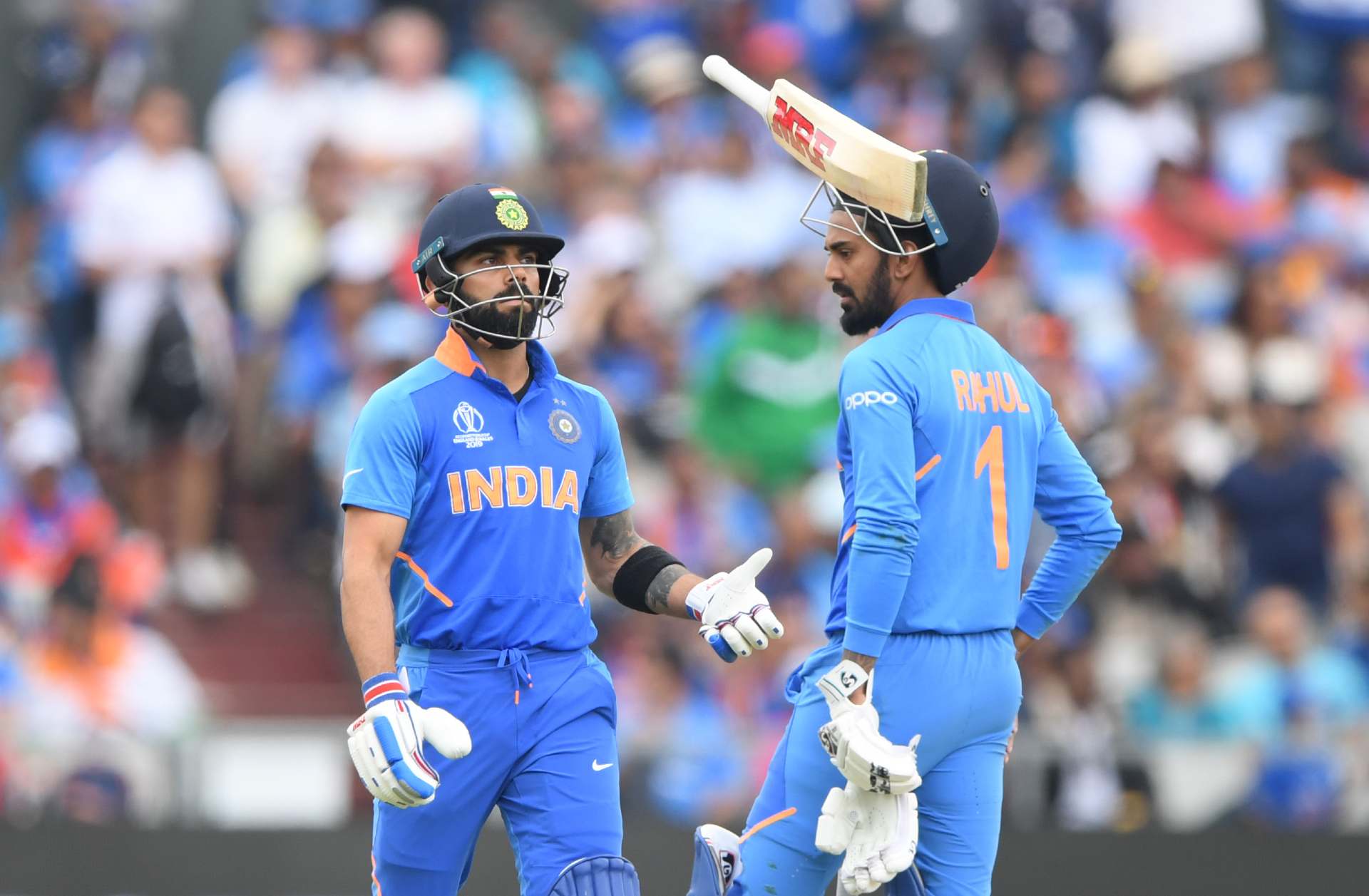
There will be substantial pressure on Dravid to spearhead a winning campaign for the Men in Blue and these are some realistic expectations. He has resources at his disposal and thanks to the Indian Premier League, some incredible talents are ready to meet their opportunities. While the captain will have his share of views, it would be Dravid’s responsibility to define roles for each player ahead of time to avoid last-minute knee-jerk reactions that became a trademark of the current leadership group during ICC events.
Sorting India’s middle-order issues in Test cricket
India won in Australia and are just a draw away from winning another series in England. These two historic results came on the back of many players putting their hands up in the most difficult situations, but India’s concerns regarding the middle-order were not sorted even a bit. While Kohli has continued to struggle, failing to get past 50s and 60s, Ajinkya Rahane and Cheteshwar Pujara were not productive either.
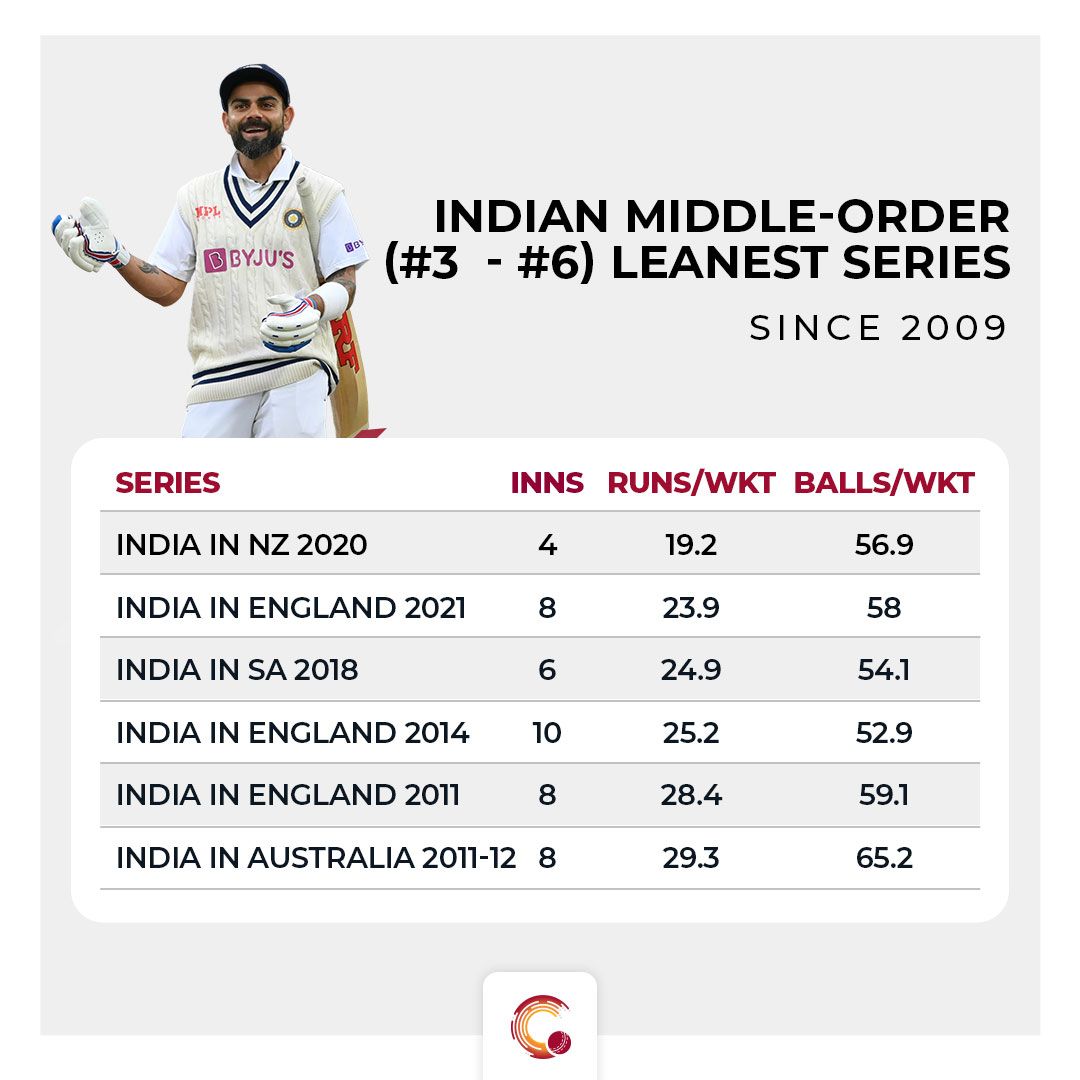
Rahane, in his last 48 Tests (dating back to November 2016) has averaged 33.77 while Pujara, across his last 21 Tests, is averaging 28.65. That they still remain untouchable is partly due to their reputation and partly because they seem to do ‘just enough’ to warrant a place in the side. India looked at the short-term fix in Hanuma Vihari and Mayank Agarwal while picking Suryakumar Yadav in the squad but those were not convincing outputs.
Rahul Dravid knows all these players much better than anyone else - thanks to his stint at NCA and with India –A - and should have a plan to counter the issues. Having watched a lot of players at close quarters, the responsibility would fall upon him to identify the next generation that carries India’s batting legacy forward. It is paramount to fix the issues before aiming to win their first World Test Championship title.
Championing parallel bowling units
Jasprit Bumrah, Mohammed Shami and Mohammed Siraj form a lethal pace-bowling troika in Test cricket. It is easier to bank on them to get the job done in foreign conditions, but it must not be forgotten, the first two are invaluable for the set-up in the limited-overs format as well. Managing their workloads while expecting them to turn up for all big series and events will be the key.
One can’t conclusively say but it is hard to ignore the fact that in the last two years, Indian bowlers have been collectively worst in the powerplay by some distance than all other top-10 ranked nations. In T20Is, they have averaged only about one wicket per game in the first six overs in 21 games since. And it is not just a T20 phenomenon. Even in ODIs, India have balls per wicket record of a staggering 112.5 balls per wicket in the Powerplay (first 10 overs). This is more than two times the next worst side (South Africa: 49.4).
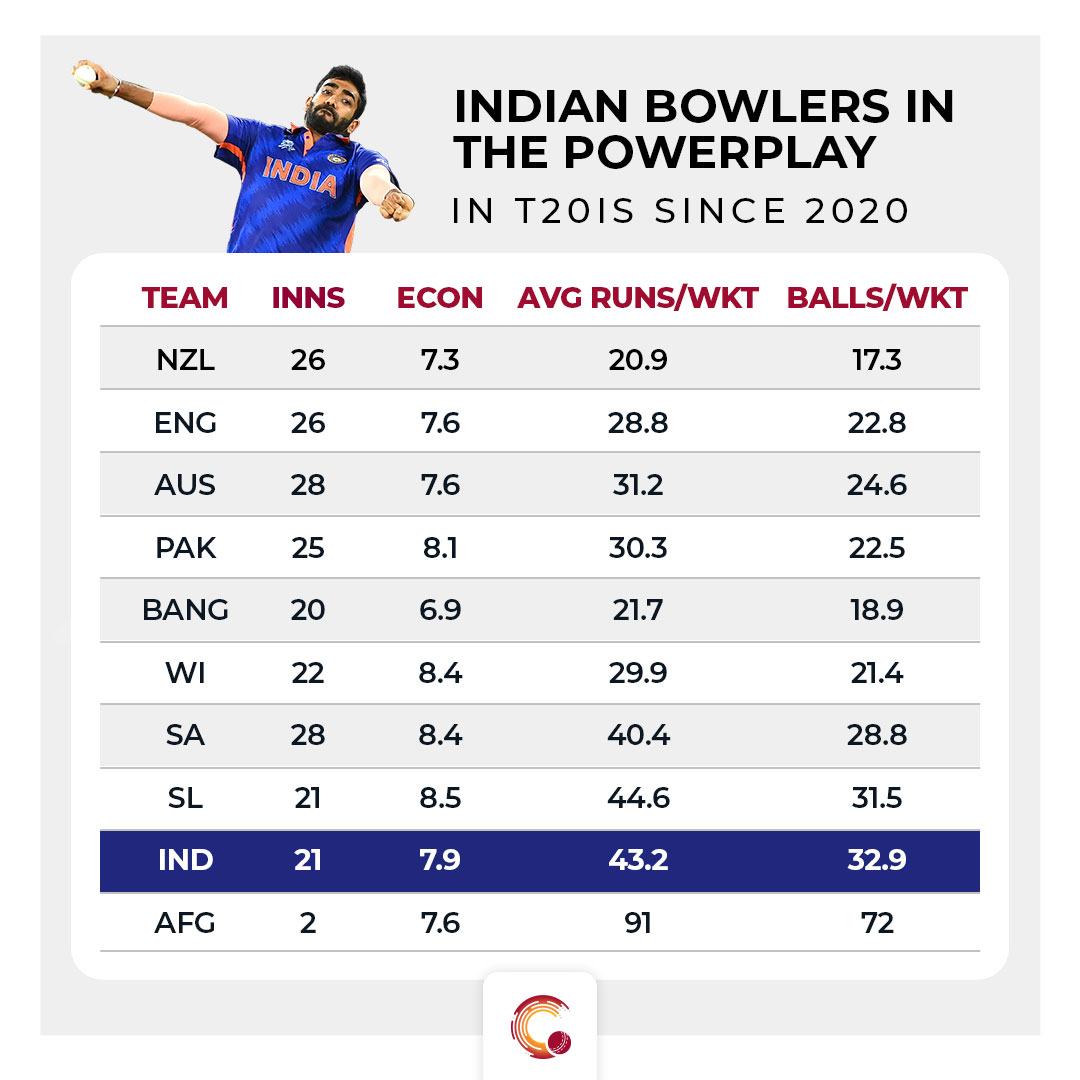
To push towards ideal circumstances, India will have to replicate the talent seen in the red-ball format to identify quicks who can be as lethal in white-ball cricket. Over the years, India have relied on Jasprit Bumrah to bail them out from everything. Under Dravid, will they be brave enough to throw some youngsters at the deep end to assess who can swim across?
Managing workloads of multi-format players
Excessive workload is one of the biggest issues to have plagued Indian cricket currently thanks to the unrelenting schedule. Consider someone like Kohli, Ashwin, or Jadeja - they are within a bubble since June for a straight six months and one would expect a break. Yet India are slated to take on New Zealand for three T20Is and two Tests just a couple of days after the World Cup final. As unfortunate as it may sound, that is the commercial reality of the cricketing world at the moment, and nothing can be done around it.
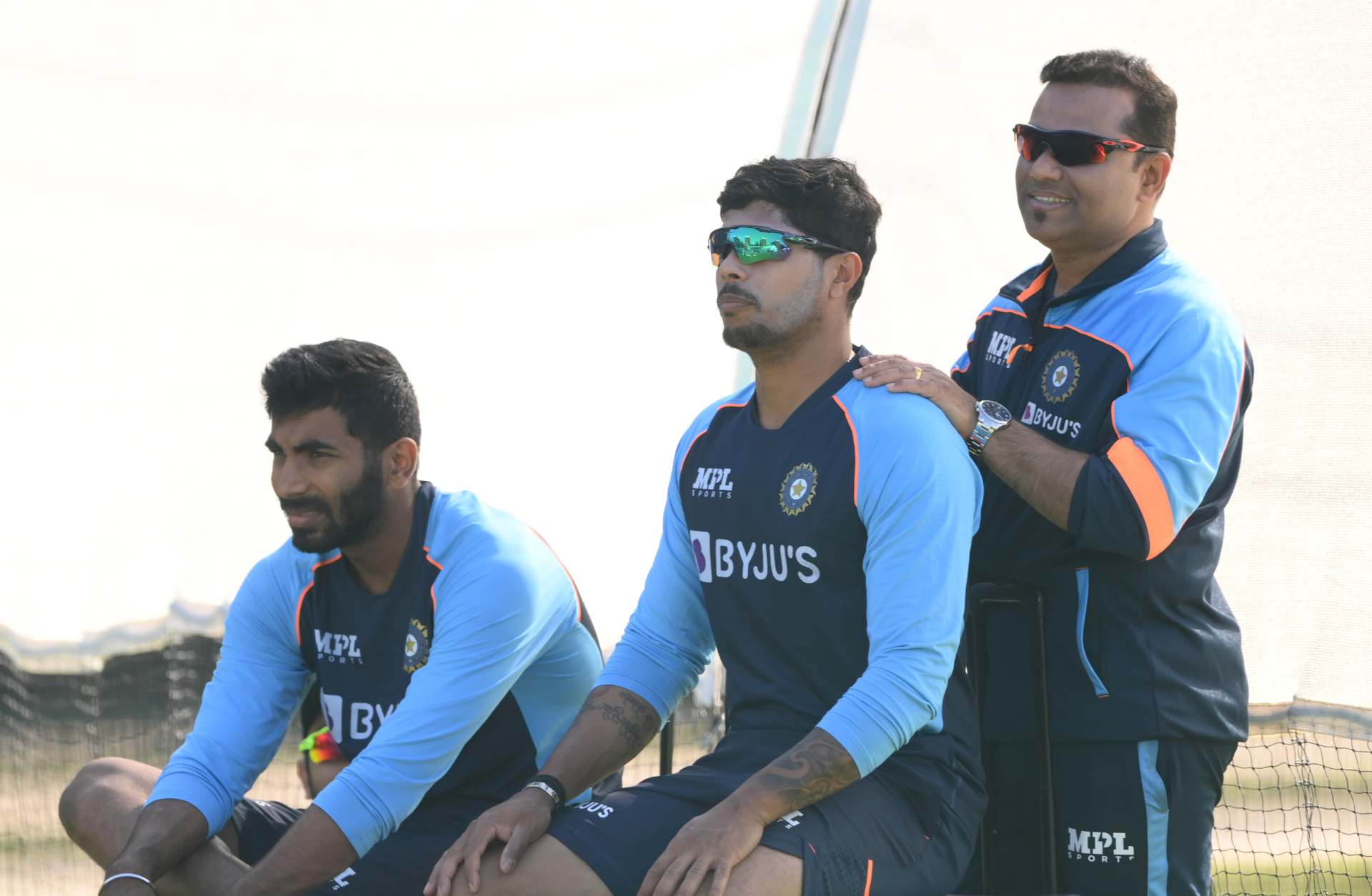
"It's not a conversation you can hide away from in any manner. It is around eight years now that I have been playing 300 days a year, which includes traveling and practice sessions. And intensity is right up there all the time. It does take a toll on you. It's not that the players are not thinking about it all the time. We do choose to take lot more breaks individually even though the schedule might not allow you to. Especially from guys, who play all the formats,” Kohli had said a few days ago in a press conference.
Managing workload will be at the top of Rahul Dravid’s plans, even if it comes at the cost of him not having some of his best resources all the time. However, it will only be for the larger good and the legacy he would want to leave behind. If that means adopting an ECB formula of creating two different outfits, then why not?
Grooming Next Captain
By the time, 2023 ODI World Cup concluded, Virat and Rohit will be 35 and 36 respectively. It is clear that both of them are not long-term options to lead white-ball sides.
Therein comes the retrospection. Even if Kohli continues to lead the Indian Test team beyond 2023, India need a captain who can handle the limited-overs duties for the next five years. There are the likes of Rishabh Pant, KL Rahul, Prithvi Shaw, and Ishan Kishan, all of them who have led different sides in the past.
Having been moulded by John Wright in his formative years as an Indian player, to be involved in a side of seniors led by a youngster in MS Dhoni, Dravid is best-placed to understand the intricacies of passing over the baton.